
How to Start Your Own Skincare Brand with a Private Label Cosmetics Manufacturer
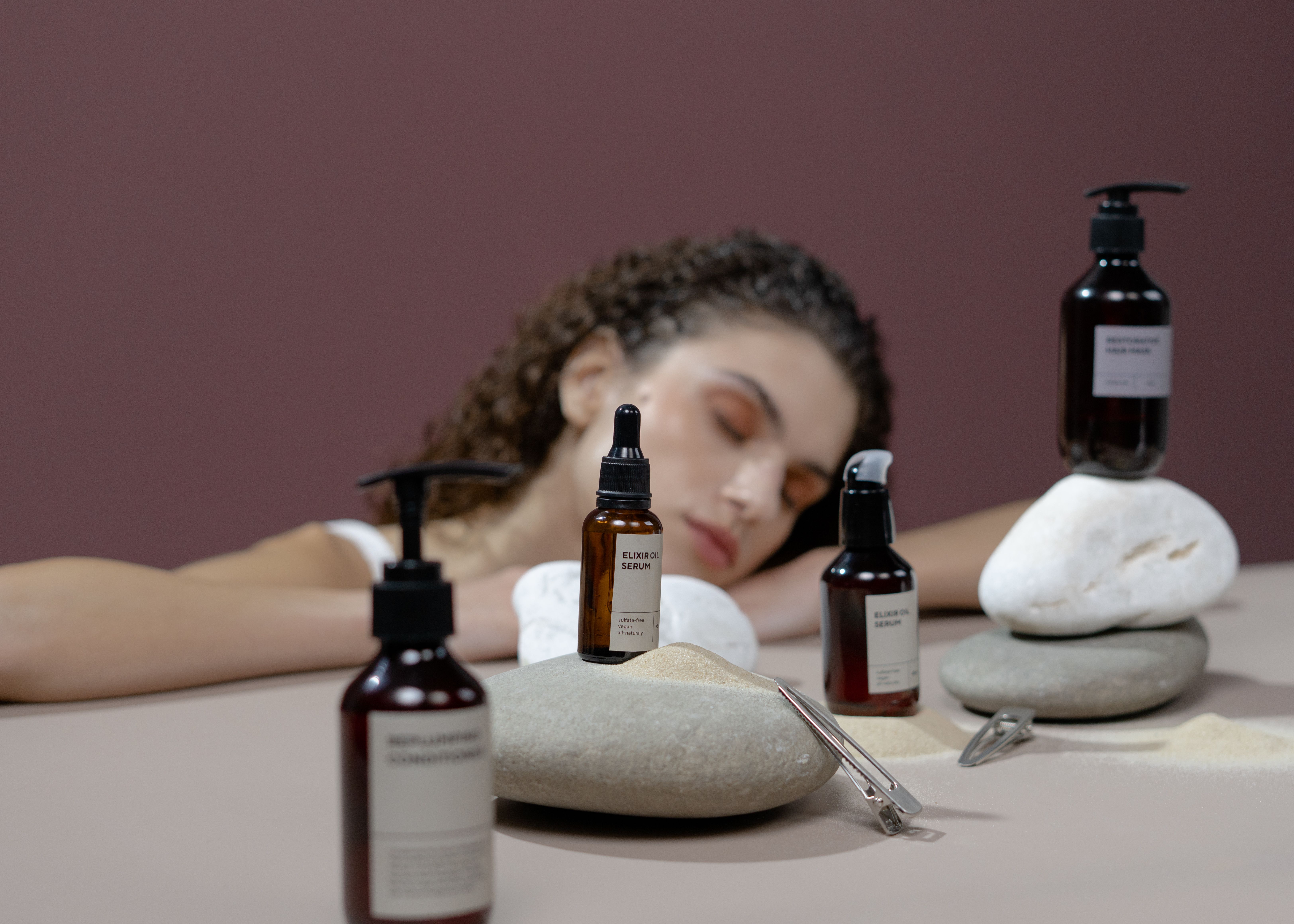
Starting a skincare brand requires a clear target market, suitable products, reliable manufacturing, and compliant packaging. A private label cosmetics manufacturer produces products that businesses sell under their own brand, allowing entrepreneurs to build a cosmetics business without establishing their own production facilities.
Cita Lieta is a Latvian contract cosmetics manufacturer specialising in bath and body care products. According to its official private label manufacturing page, the company offers services covering product development, formulation, packaging, design, testing, and manufacturing. Its product range includes handmade bath and body care cosmetics, soaps, bath bombs, and other personal care products.
Whether you are launching a new beauty brand or expanding an existing product line, the first step is to understand the available products, customisation options and production requirements.
1. Define Your Skincare Product Range
Before choosing a manufacturer, identify your target audience, product category, and brand positioning. Consider whether your business will focus on facial skincare, body care, bath products, or a combination of categories.
Research competing brands, customer needs, product prices, and market demand. Starting with a focused product range can simplify product development, inventory management, and marketing.
For example, a new body care brand could begin with a shower gel, body lotion, and body scrub. A bath-focused brand might combine bath bombs, handmade soaps, and bath products with complementary fragrances. Your initial range should reflect your customers' needs, your budget, and the products a manufacturer can supply.
Prepare a preliminary product list before contacting private label cosmetics manufacturers. This will help you explain your requirements and receive a more relevant quotation.
2. Choose a Private Label Cosmetics Manufacturer
Selecting the right manufacturer is an important step in launching a cosmetics brand. Compare private label cosmetics manufacturers and private label skincare companies based on their product range, manufacturing capabilities, minimum order quantities, pricing, production timelines, and quality procedures.
Ask potential suppliers whether they offer ready-made formulations, custom formulation, packaging selection, product testing, and support with product documentation. Request samples where available and clarify which services are included in the quoted price.
Cita Lieta's private label manufacturing services cover the development and production of bath and body care products. The company describes its capabilities as including research and development, ingredient proposals, product concepts, formulation, texture proposals, packaging selection, design, testing, and manufacturing.
Before choosing a supplier, confirm that its current product range and manufacturing capabilities match your intended product category. If your concept requires a specialised facial serum or another product outside the manufacturer's established range, ask whether the company can develop it.
3. Private Label Cosmetics Products and Manufacturing Capabilities at Cita Lieta
When comparing private label cosmetics manufacturers, it is useful to examine the actual products they can produce. A clearly defined product range helps businesses assess whether a manufacturer can support their brand concept and potential future expansion.
Cita Lieta's website describes several product categories that can be relevant to businesses developing a private label cosmetics range.
Examples of Products for Your Brand
Bath bombs and handmade soaps. These products can form the basis of a bath and body care collection. Brands can explore different product concepts and fragrances, subject to the manufacturer's available options and project requirements.
Shower gels and liquid soaps. These products are suitable for everyday cleansing ranges and can complement other body care products. Cita Lieta has also published examples of shower gel and liquid soap formulations developed for its product range.
Body lotions and hand creams. Moisturising products can help brands build a collection focused on everyday skin care. Cita Lieta has presented body lotion and protective hand cream among its products, including formulations featuring Cannabis Sativa Seed Oil. See the company's published examples of body care products.
Body scrubs. Exfoliating products can complement shower gels, body lotions, and other body care items. Cita Lieta's published product range includes sugar body scrubs and other body exfoliation products.
Shampoo and conditioner. Hair care products may be relevant for brands planning to expand beyond body care. Cita Lieta has published examples of shampoo and conditioner formulations in its Cannabis Sativa Seed Oil product line.
Facial creams. For brands interested in facial skincare, Cita Lieta has published information about producing face creams, including moisturising, nourishing, softening, anti-ageing, and acne-focused product concepts. Availability and formulation requirements should be confirmed directly with the company through its cosmetic laboratory and development service.
These examples are based on products and capabilities described in Cita Lieta's published materials. They should not be interpreted as a guarantee that every formulation is currently available for private label orders.
Explore Cita Lieta's private label cosmetics services and its published body care product examples to identify potential starting points for your product concept.
Product and Packaging Customisation
A private label product needs to fit the brand's positioning, target audience, and visual identity. Depending on the product and agreed scope of work, customisation may involve several elements:
- Formula: selecting an existing formulation or discussing the development of a product to meet specific requirements.
- Ingredients: discussing suitable ingredients and product characteristics with the manufacturer's team.
- Fragrance: selecting from available aromas or discussing the requirements for a particular product concept.
- Texture: defining the desired consistency and sensory characteristics during product development.
- Packaging: selecting suitable packaging options, such as bottles, jars, sprayers, or dispensers, from the manufacturer's available range.
- Branding and labels: preparing packaging design and applying the customer's branding, including a logo and label.
Cita Lieta states that its private label service includes formulation, texture proposals, packaging selection, design, testing, and manufacturing. The company also describes packaging options and the opportunity to order products with a customer's own logo and design.
The exact level of customisation depends on the selected product, available packaging, formulation requirements, and production conditions. Confirm these details before finalising your product specifications.
For visual references, review the product images and examples published on the official Cita Lieta website. Before publication, consider adding approved photographs of actual private label products, packaging formats, and branded labels. Obtain the company's permission before presenting any client project as a completed case study.
4. Develop Your Formula and Select Packaging
Cosmetic formulation companies may offer ready-made formulas or develop products according to a client's requirements. The appropriate option depends on your budget, desired product characteristics, development timeline, and target market.
An existing formulation may be a practical starting point for a business that wants to establish its brand and test market demand. Custom formulation may be more appropriate when the product needs specific ingredients, a particular texture, or other characteristics that distinguish it from competing products.
Packaging is another important consideration. Choose containers that protect the formulation, suit the product's intended use, and align with your brand identity. Evaluate material options, product compatibility, labelling requirements, and the availability of packaging components.
Cita Lieta's private label page lists packaging options including bottles, jars, sprayers, and dispensers. The company also describes the possibility of using customer branding and design.
Before approving the packaging, confirm the container's compatibility with the formulation, the available sizes, label specifications, and whether the required components can be supplied within the project's production schedule.
If you plan to launch natural cosmetics, verify the ingredients and supporting documentation before making natural or organic claims. Do not assume that a product is certified organic simply because it contains ingredients of natural origin.
5. Private Label Cosmetics Manufacturing Process: MOQ, Lead Times and Pricing
Before placing an order, clarify the commercial and production conditions with your chosen manufacturer. Minimum order quantities (MOQ), lead times, sampling options, and pricing can affect your initial investment and launch schedule.
Cita Lieta describes its services as covering product development through packaging and manufacturing. However, a single MOQ, production timeline, or price should not be assumed to apply to every product. These details need to be confirmed for the specific project.
Minimum Order Quantity (MOQ)
The minimum order quantity is the smallest number of units a manufacturer will accept for a particular order. It can influence how much money a business must invest before launching its product.
When contacting Cita Lieta, ask for the MOQ for each product you intend to order. Clarify whether the minimum quantity differs between existing formulations and newly developed products, and whether packaging choices affect the minimum order.
If you plan to launch several products, ask whether each product has a separate MOQ and how quantities are calculated when different fragrances, formulas, or packaging options are involved.
Production Lead Times
Production lead times depend on the agreed project scope. An order using an existing formulation may involve different steps from a project that requires new formulation development, additional testing, or specially sourced packaging.
Ask the manufacturer to distinguish between the estimated time required for product development, sample approval, packaging preparation, and manufacturing. Confirm when the production schedule begins, which approvals are required before production, and whether packaging or ingredient availability could affect delivery.
Do not rely on a general industry estimate as a confirmed delivery date. Request a project-specific schedule from the manufacturer before making commitments to retailers or customers.
Samples and Trial Batches
Samples can help a brand evaluate a product's fragrance, texture, appearance, and suitability for its target audience before committing to a larger order.
Ask whether samples or trial batches are available for your selected products, how they are requested, whether they incur additional costs, and whether the sample formulation will match the final production specification. If changes are needed, confirm how they may affect the price and timeline.
The availability of samples, trial production, and additional testing should be agreed with the manufacturer for each project.
How the Order Process Works
A practical private label manufacturing workflow can be organised into the following stages:
- Submit an enquiry. Describe your brand, target audience, intended products, expected quantities, budget, and preferred launch date.
- Discuss product options. Review available formulations and determine whether an existing product or custom development is more suitable.
- Confirm specifications. Agree on ingredients, fragrance, texture, packaging, label design, and branding requirements.
- Request samples, if available. Evaluate the proposed products and clarify whether any adjustments are required.
- Receive a quotation. Request a breakdown of product costs, packaging, development work, testing, and other applicable charges.
- Approve the project. Confirm the final specifications, quantities, payment terms, documentation responsibilities, and production schedule in writing.
- Proceed to manufacturing and delivery. Production begins according to the agreed terms, followed by the agreed packaging and delivery arrangements.
This is a planning framework rather than a guarantee of Cita Lieta's exact internal procedure. Confirm the actual sequence and contractual terms directly with the company.
What Determines the Cost of Private Label Cosmetics?
The cost of a private label cosmetics order may depend on the product type, order quantity, formulation requirements, raw materials, packaging, design work, testing, and delivery arrangements.
Cita Lieta's published information on facial cream manufacturing states that production costs are calculated individually based on factors including order quantity, project urgency, and the raw materials used.
To obtain a useful quotation, provide as much information as possible about the intended product range. Ask the manufacturer to identify any separate charges for development, samples, packaging, testing, and repeat orders. Compare the total project cost rather than considering the unit price alone.
You can contact Cita Lieta through its official contact page to discuss product availability, MOQ, lead times, and pricing for your project.
6. Check EU Cosmetic Safety and Compliance Requirements
Before selling cosmetics in the European Union, ensure that the products meet the applicable regulatory requirements. Under EU Cosmetics Regulation (EC) No 1223/2009, cosmetic products must comply with requirements relating to product safety, responsible persons, labelling, and notification.
Key requirements include:
- Cosmetic Product Safety Report (CPSR): a safety assessment must be completed before the product is placed on the market.
- Product Information File (PIF): the required product documentation must be maintained and made available to competent authorities.
- Responsible Person: an appropriately designated responsible person must be established in the EU.
- Labelling: packaging must contain the required information, including applicable ingredient, precautionary, and responsible-person details.
- Cosmetic Products Notification Portal (CPNP): the product must be notified through the EU notification system before being placed on the market.
A contract manufacturer may provide supporting documentation, but the brand owner should confirm who is responsible for each compliance obligation. Contract manufacturing alone does not automatically transfer all regulatory responsibilities to the supplier.
For official guidance, consult the European Commission's cosmetics legislation and product notification resources.
7. Calculate Costs and Plan Your Launch
Before committing to production, calculate the full cost of bringing your cosmetics products to market. Consider samples, formulation, manufacturing, packaging, testing, regulatory work, shipping, storage, website development, and marketing.
Ask contract skincare manufacturers about minimum order quantities, production lead times, payment terms, quality control procedures, and repeat-order conditions. Compare the total costs rather than choosing a supplier based on unit price alone.
Once the product specifications, packaging, documentation, and pricing are confirmed, prepare your launch plan. This may include an e-commerce website, product photography, search engine optimisation, social media content, and a strategy for acquiring customers.
A focused product range, clear positioning, and realistic production plan can help reduce operational complexity during the initial launch.
Frequently Asked Questions
What is private label cosmetics manufacturing?
Private label cosmetics manufacturing is a business model in which a manufacturer produces cosmetics that another business sells under its own brand. Depending on the supplier, services may include ready-made formulations, product development, packaging, and manufacturing.
How do I choose a private label manufacturer for skincare?
Compare manufacturers based on product suitability, formulation options, samples, minimum order quantities, pricing, production timelines, packaging, quality procedures, and regulatory documentation. Confirm the full scope of services before signing an agreement.
What products can I order from Cita Lieta under my own brand?
Cita Lieta's published materials describe bath bombs, handmade soaps, shower gels, liquid soaps, body lotions, hand creams, body scrubs, shampoo, conditioner, and selected facial care products. Confirm current availability and private label conditions with the manufacturer by reviewing its private label manufacturing services.
Can I customise the formula and packaging?
Cita Lieta describes services including formulation, texture proposals, packaging selection, design, and manufacturing. Available customisation depends on the product and agreed project requirements, so confirm the options directly with the company through its laboratory and development service.
What is the minimum order quantity for private label cosmetics?
MOQ varies by manufacturer and may differ by product, formulation, packaging, and order requirements. Contact the manufacturer for the minimum quantity applicable to each product in your planned range.
How long does private label cosmetics manufacturing take?
The timeline depends on the project, including formulation development, sample approval, packaging availability, testing requirements, and production. Request a project-specific estimate before setting your launch date.
Can I receive samples before placing an order?
Sample availability and conditions depend on the manufacturer and the product. Ask whether samples or trial batches are available, what they cost, and whether changes to the formulation will affect the production schedule.
Does Cita Lieta offer private label cosmetics manufacturing?
Yes. According to its official website, Cita Lieta offers private label bath and body care products and describes services covering product development, formulation, packaging selection, design, testing, and manufacturing. Businesses should contact the company directly to confirm current product availability, minimum order quantities, pricing, and project requirements.
Conclusion
Starting a skincare brand involves selecting a target market, finding a suitable private label cosmetics manufacturer, developing products, choosing packaging, confirming regulatory compliance, and planning production costs.
Cita Lieta is an option for businesses researching private label bath and body care cosmetics. Its published product examples and manufacturing services provide a starting point for exploring products such as bath bombs, soaps, shower gels, body lotions, scrubs, and selected facial care products.
Before committing to a project, confirm the available formulations, customisation options, MOQ, sample conditions, production lead times, pricing, and regulatory responsibilities. Reviewing these details will help you assess whether the manufacturer is a suitable partner for your brand.
Explore Cita Lieta's private label manufacturing services or contact the company to discuss your product concept and request a project-specific quotation.


